5
Age 5
Kindergarten · the numbers to 20 · a new lesson every morning
At five, ten dots gather into one triangle. Eleven is that triangle and one more dot; nineteen is the triangle and nine. A number is something you can see, so every lesson shows it first, then asks it both ways: put together and take apart, count up and count back. Tap a number to hear it.
The year, in order
steps 7 – 11Start at the top. Each one picks up where the last one stopped.
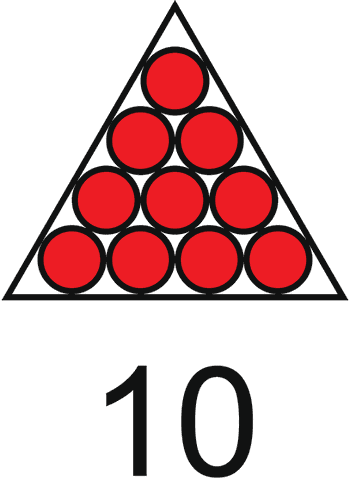 Lesson · step 7Making 10
Find the buddy that fills the triangle, then take the ten apart again.
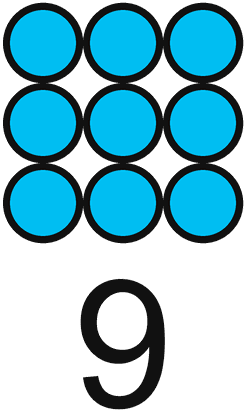 Lesson · step 8Every Way to Make 10
9 and 1, 8 and 2 … 1 and 9. Every pair, and the proof.
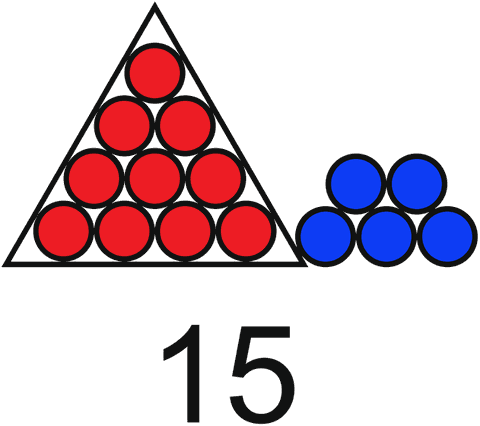 Lesson · steps 9, 11Count On, Count Back
Past ten to fifteen and back down, one dot at a time.
 Lesson · step 10Doubles
Two of the same, one to five: 3 and 3 is 6, and 6 splits back into 3 and 3.
✨ New every day
one new lesson each morningA new Age 5 lesson every morning, newest at the bottom.
The first one arrives tomorrow morning.
Ten and Some MoreEleven to nineteen are one ten and some more: fourteen is a red ten-triangle and four loose dots touching it. Build each teen and take it apart again — the 1 in 14 is a whole ten, not one dot. Nov 7
Ten FingersTwo hands make ten. Seven fingers up is one whole hand and two more, and the three still down are its buddy: seven and three make ten. Show a number and say how many are down, then the other way — so many down, how many up? Nov 8
Still EightEight dots in a line, spread out, in a ring, in their shape or scattered are still eight: count them and the last number you say is how many. Spread out is not more, bunched up is not less, and a longer row can have fewer. Nov 10
None LeftZero is a number: the empty plate. Take away all four and none are left, 4 − 4 = 0; add none or take none away and nothing changes, 3 + 0 = 3. Then the other way: start from the empty plate and put the dots back. Within 5, zero both ways. Nov 9
Dot StoriesA story out loud: three ducks are on the pond, two more swim in. Make it with dots and the pile says five; then a take-away story, five ducks and two fly away. Then the other way: look at the dots and pick the story that tells them. Swim in means more, fly away means fewer. Nov 10
How Many More to Match?Two piles, six and four. Make them the same by adding dots to the small pile and count how many more it took, two. Then the other way: take dots off the big pile until they match, two again. Which pile has more, which has fewer, and by how many, within 9. Nov 11
Just Before, Just AfterEvery next number is one more dot and every number before is one fewer. See thirteen, make the one just after (fourteen) and the one just before (twelve), then the other way: hear just before and just after and find the number in the middle. Within 19, across the ten. Nov 12
Still a TriangleThree corners and three sides make a triangle, big or small, tipped over or upside down; four equal sides make a square, even turned on a corner. Tap every triangle on the board however it is turned, then every shape that is not one. A rectangle, a pentagon, a circle and a triangle with one side open are not triangles. Nov 13
Tens to a HundredCounting by tens: each ten-triangle is ten, so one triangle is ten, two are twenty, ten triangles are a hundred. Make the next ten and the ten before, up and back down. After thirty comes forty, not thirty-one: a whole triangle is added each time, not one dot. Nov 14
Five Two WaysFive is two parts: three and two, four and one, five and none. Split five dots into two colors and read both parts, then the other way: put two parts together and say five. Three and two and two and three are the same five, and no split ever makes six. Nov 15
Age 6 · next
Count by twos, fives and tens past a hundred, then every fact within twenty.
Start age 6 →
For grown-ups: every kindergarten standard and the page that teaches it · everything new on the site · printable workbooks